
Untangling Solana Wallet Mysteries: Transaction History, Validators, and Hardware Integration
Ever stared at your Solana wallet transaction history and thought, “Wait, what happened here?” Yeah, me too. It’s like trying to read a map in a foreign language while riding a roller coaster—confusing and a little thrilling, honestly. But here’s the thing: getting a grip on your past transactions, understanding how hardware wallets fit in, and picking the right validator aren’t just crypto trivia. They’re the backbone of keeping your assets safe and growing.
Initially, I figured checking transaction history was straightforward—just a ledger, right? Nope. It’s more like a living diary, sometimes cryptic, occasionally messy. What really threw me off was how different wallets show this info. Some are super clear; others? Not so much. And Solana’s blazing speed means your history fills up fast, making it easy to lose track.
Whoa! One quick tip: if you haven’t tried the solflare extension, give it a spin. It struck me as a game-changer because it syncs your transaction history smoothly while offering staking options that are surprisingly user-friendly for a crypto wallet.
Okay, so check this out—transaction history isn’t just about seeing what you bought or sold. It’s crucial for tax stuff, dispute resolution, and even spotting suspicious activity. But here’s where I got tangled: some wallet interfaces don’t store history locally; they rely on third-party explorers. That’s a bit scary, right? My gut said, “Hmm… what if those explorers go down or get compromised?” Luckily, wallets like Solflare cache a lot of info, so you’re not flying blind.
Something felt off about the way many users choose validators, too. I used to pick randomly or just go with the biggest names, thinking size equals reliability. Turns out, that’s not always true. Validators differ in uptime, commission rates, and how much they contribute to network health. It’s a bit like picking a mechanic; the flashiest shop isn’t always the best for your car.
On one hand, I get the temptation to delegate to the largest validators because they seem stable. Though actually, decentralization suffers if everyone piles into the same few. So, spreading your stake across smaller, reliable validators is wiser. But how do you figure out which ones fit that bill? There’s no perfect formula, but I’ve started checking community feedback and validator transparency before staking—definitely saves headaches later.
Speaking of staking, hardware wallet integration threw me for a loop at first. I always assumed using a hardware wallet like Ledger or Trezor with Solana would be clunky. (Oh, and by the way, it really depends on the wallet software you pair it with.) The solflare extension supports hardware wallets, which was a relief. It means you get the best of both worlds: cold storage security plus the convenience of managing stakes and transactions from a browser.
Honestly, there was a moment when I thought hardware wallets might slow me down, especially with frequent DeFi interactions. But no, the trade-off is worth it. Sure, signing transactions takes an extra step, but knowing your private keys never leave the device? Priceless. Plus, the solflare extension smooths out a lot of these frictions, so it’s not as painful as I feared.
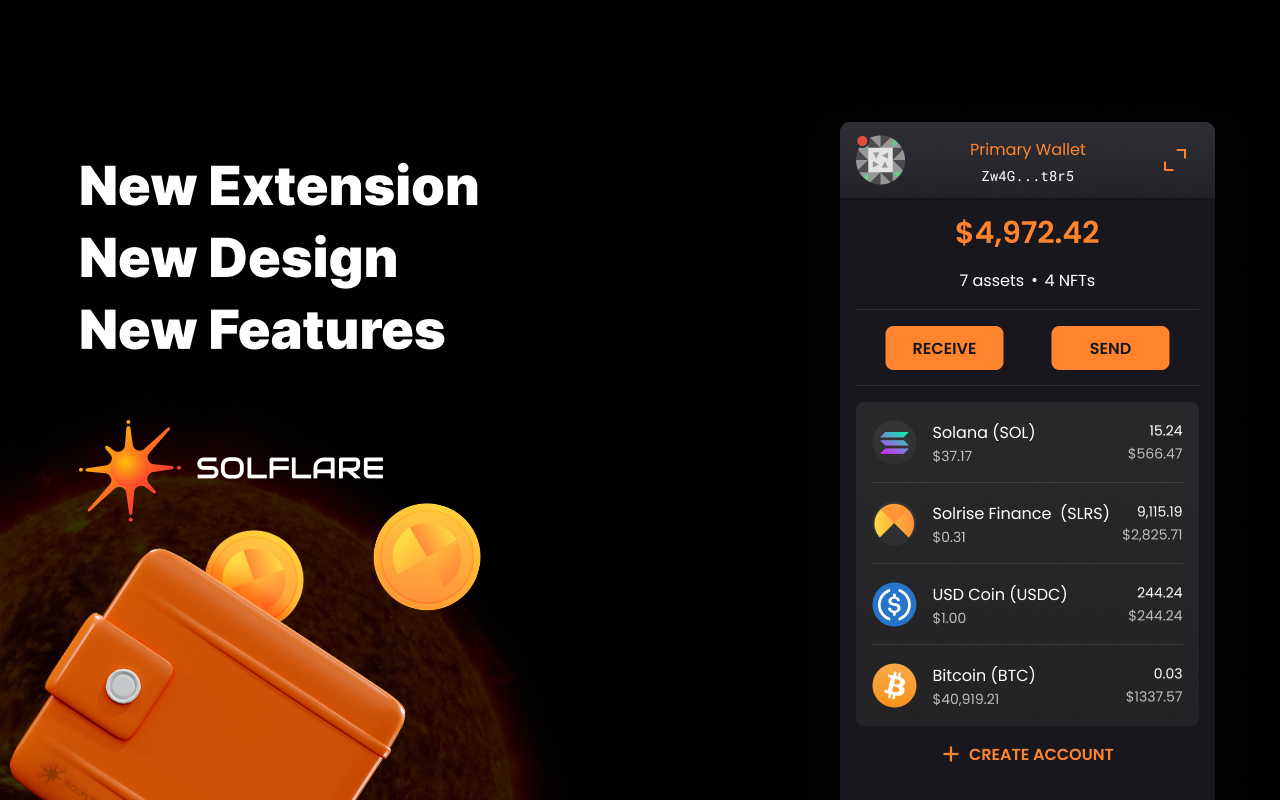
Here’s what bugs me about some guides online: they gloss over the nitty-gritty of validator selection and hardware wallet quirks. I’ve found that diving into the Solana Foundation’s validator stats and community forums gives you a clearer picture. And tools within the solflare extension help visualize your delegation’s performance, which is super helpful.
Another surprise? Transaction history can reveal more than just your own moves. It can hint at network congestion, fee spikes, or even potential threats if you spot weird transactions. I’m not 100% sure how many people actually audit their history like that, but it’s a habit worth cultivating.
So, what’s the takeaway here? Managing your Solana assets isn’t just about clicking “stake” or “send.” It’s a layered process involving understanding how your wallet tracks history, how hardware wallets enhance security without killing convenience, and how validator choice impacts both your returns and the network’s health.
And hey, if you’re still on the fence about hardware wallets, try pairing one with the solflare extension. It was a game-changer for me—made staking feel less like a gamble and more like a calculated move. My instinct said to stick with software wallets for speed, but after testing, I realized security and usability aren’t mutually exclusive.
Before I forget, keep an eye on transaction timestamps and confirmations. Sometimes, a delay can signal network issues or wallet sync problems. It’s like catching a traffic jam before you hit it, saving you frustration down the line.
All that said, crypto is still wild west territory. There’s no one-size-fits-all approach, and honestly, I’m still learning. But getting comfortable with your transaction history, leveraging hardware wallets smartly, and choosing validators thoughtfully? Those moves add up to smarter, safer Solana play.
Common Questions About Solana Wallets and Validators
How can I check my full transaction history reliably?
Using wallets like the solflare extension is a solid bet since it caches your history locally and syncs with the blockchain. Also, pairing with explorers like Solscan helps, but don’t rely solely on them.
Is it worth using a hardware wallet for Solana staking?
Absolutely, especially if you’re holding significant amounts. While it adds a step to signing transactions, the security benefits are huge. The solflare extension supports hardware wallets, making the experience smoother than you might expect.
What should I look for when selecting a validator?
Check the validator’s uptime, commission rate, and community reputation. Avoid putting all your stake with the biggest validators to support decentralization. Tools integrated in wallets like Solflare help track validator performance over time.
0 comments